The 2026 Salone del Mobile highlights a return to material-driven design. In a complex international context marked by economic instability and profound shifts in how we live, the dominant themes were substance, sustainability, and durability. The claim “A Matter of Salone” captured this transition through a deliberate play on words: material as both “matter” and “what matters.” Material as origin, but also as transformation.
In this framework, 2026 design is interpreted as the process that translates material into value. Form is no longer the primary driver—substance is. This reversal is reflected in a narrative where every material choice carries semantic weight.
Within this context, coatings play a critical role: enhancing the meaning of the material. The objective is no longer to cover or homogenize, but to interpret—highlighting the grain, preserving natural character, and ensuring long-term performance. Contemporary design demands intelligent coatings: capable of protecting without concealing, durable, and able to interact with diverse materials.
This perspective is explored in the report developed within Renner Italia’s Aesthetics project.
Surfaces That Tell Stories: The Return of Imperfection
One of the most evident aspects of Salone 2026 is the explicit display of materiality.
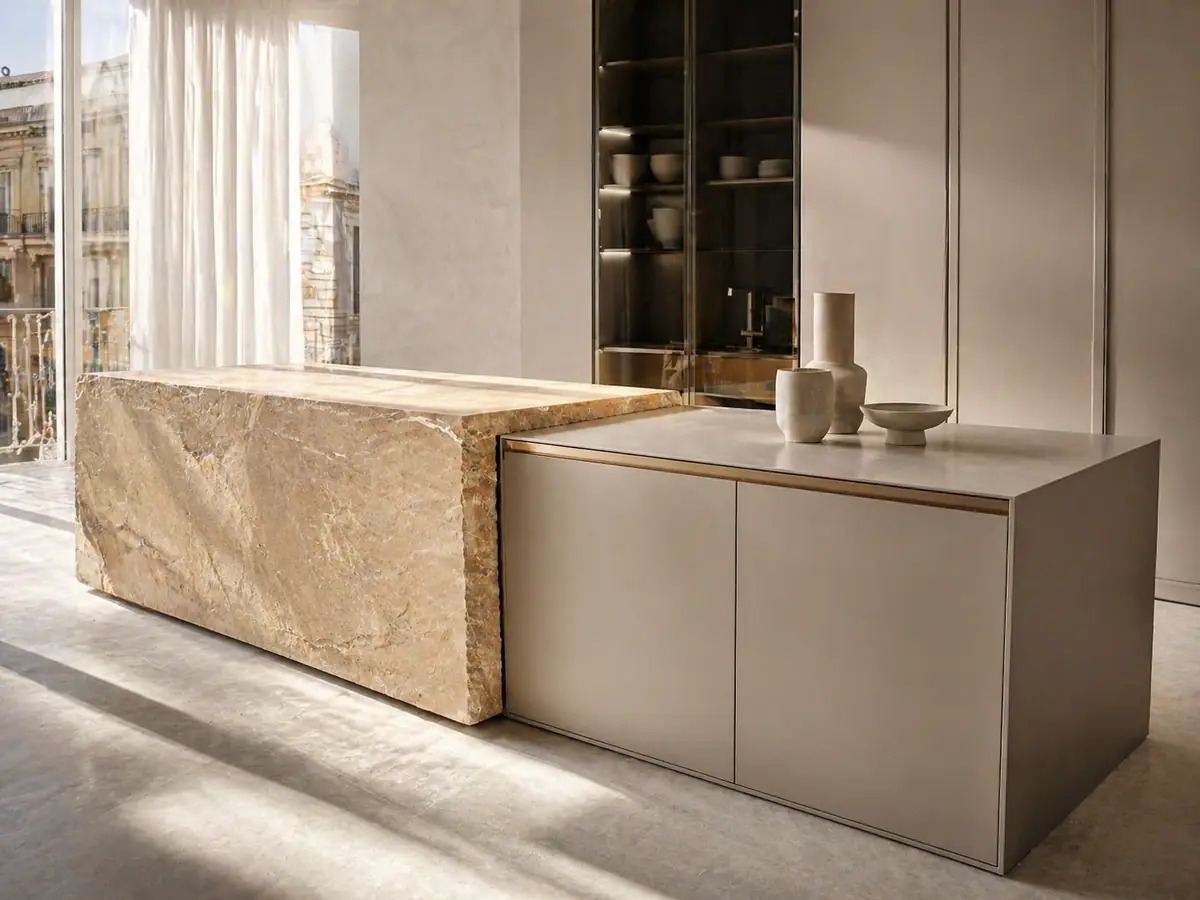
Exposed concrete establishes a neutral architectural base, capable of absorbing light and defining volumes with an almost structural presence. Against this backdrop, natural stones and marbles are pushed toward a more design-oriented dimension: no longer simply premium surfaces, but functional planes—especially in kitchens, where they become continuous, high-performance elements.
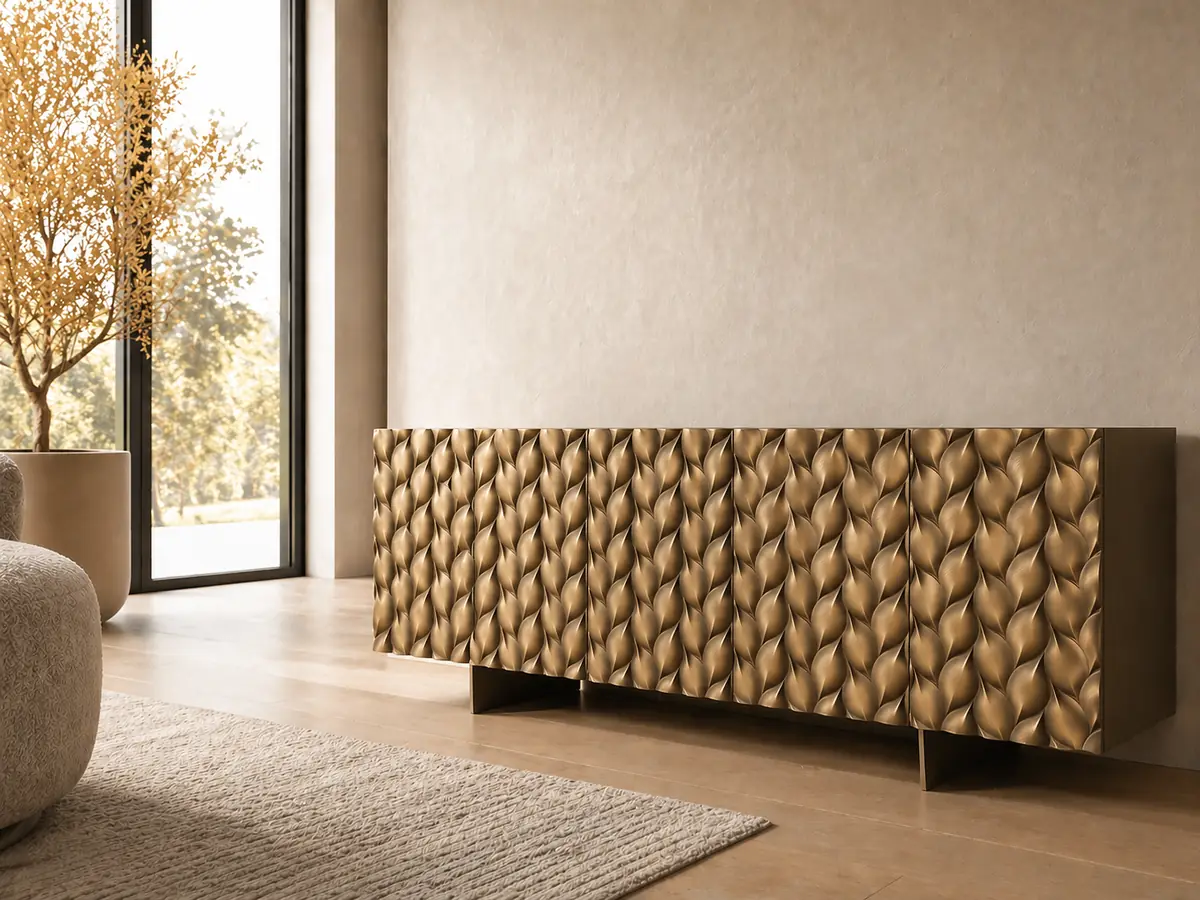
Oxidized metals—matte, intentionally scratched either directly or through patination—remain highly relevant. They appear both as primary elements in storage furnitureì and as intermediate layers, connecting different materials or creating visible, deliberately expressed details.
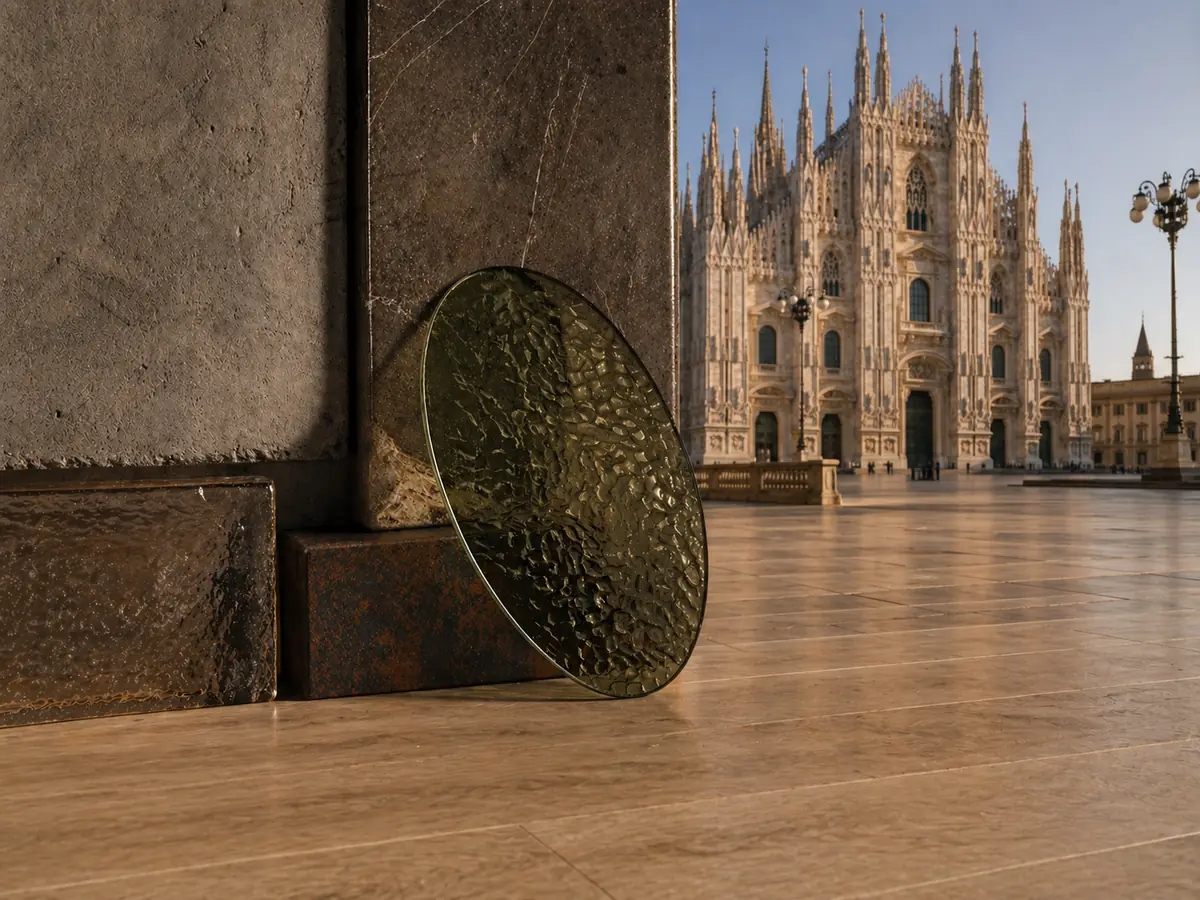
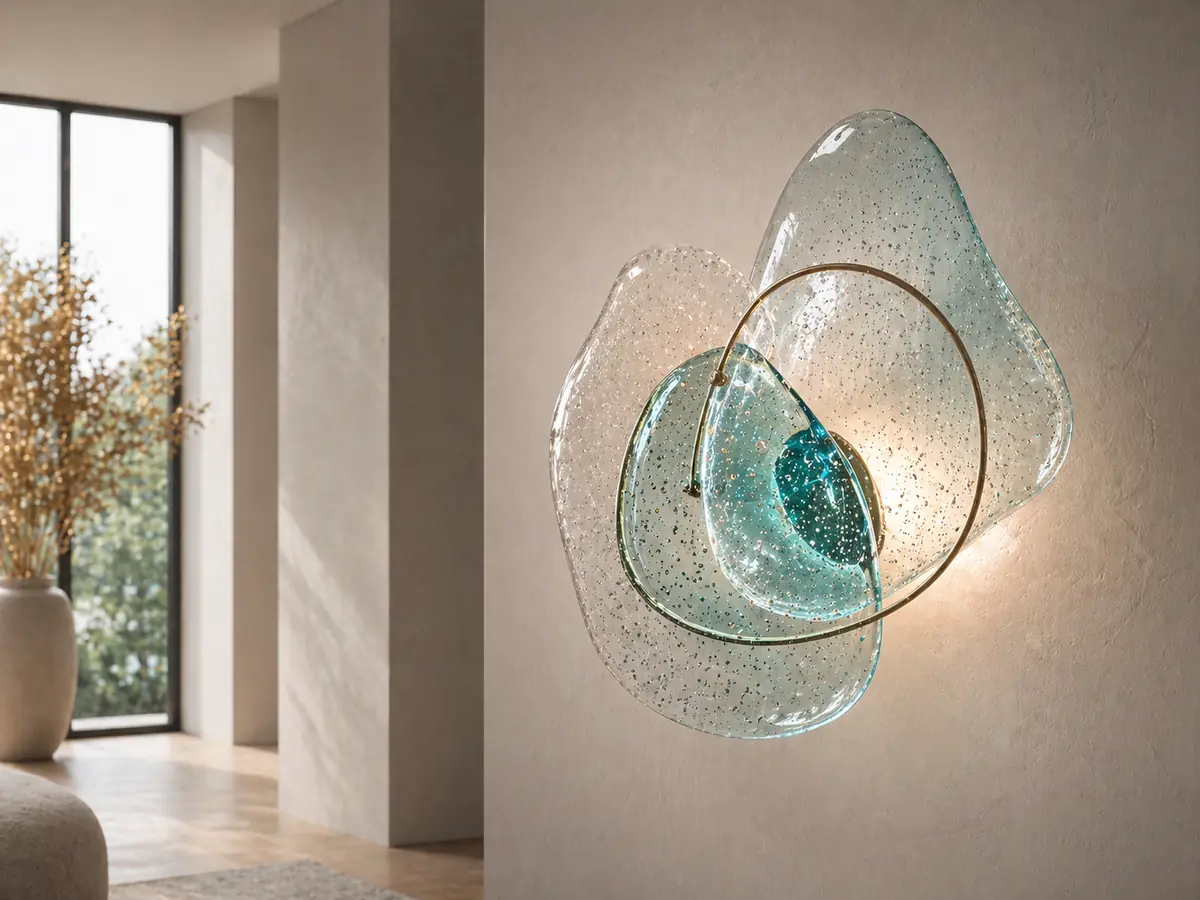
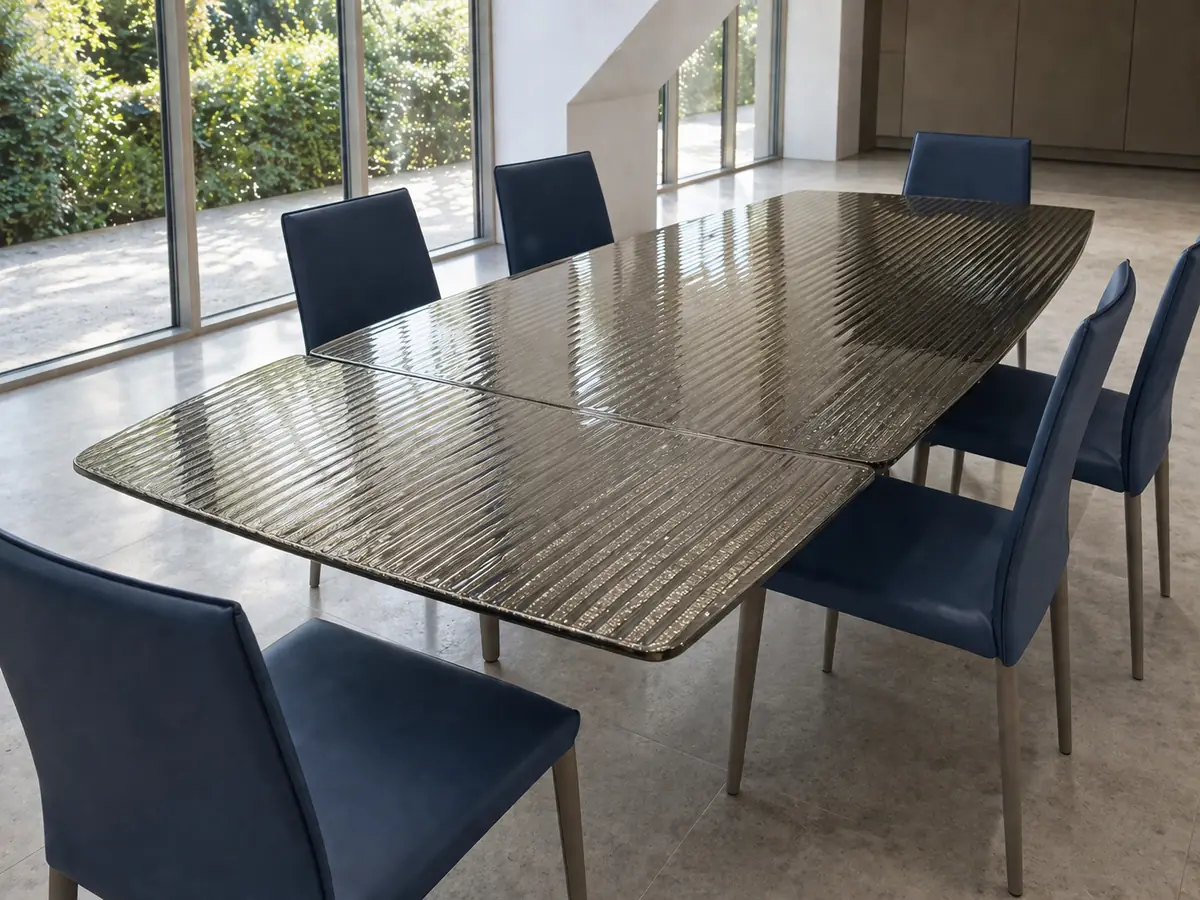
Glass, in its textured, hammered, or metal-finished variants, loses its traditional neutrality to gain visual density, becoming an active surface rather than a transparent one.
Within this system, wood does not stand alone; it interacts with every other element, contributing to a balance of visual weight, reflection, and absorption.
Wood: Technical and Emotional Material
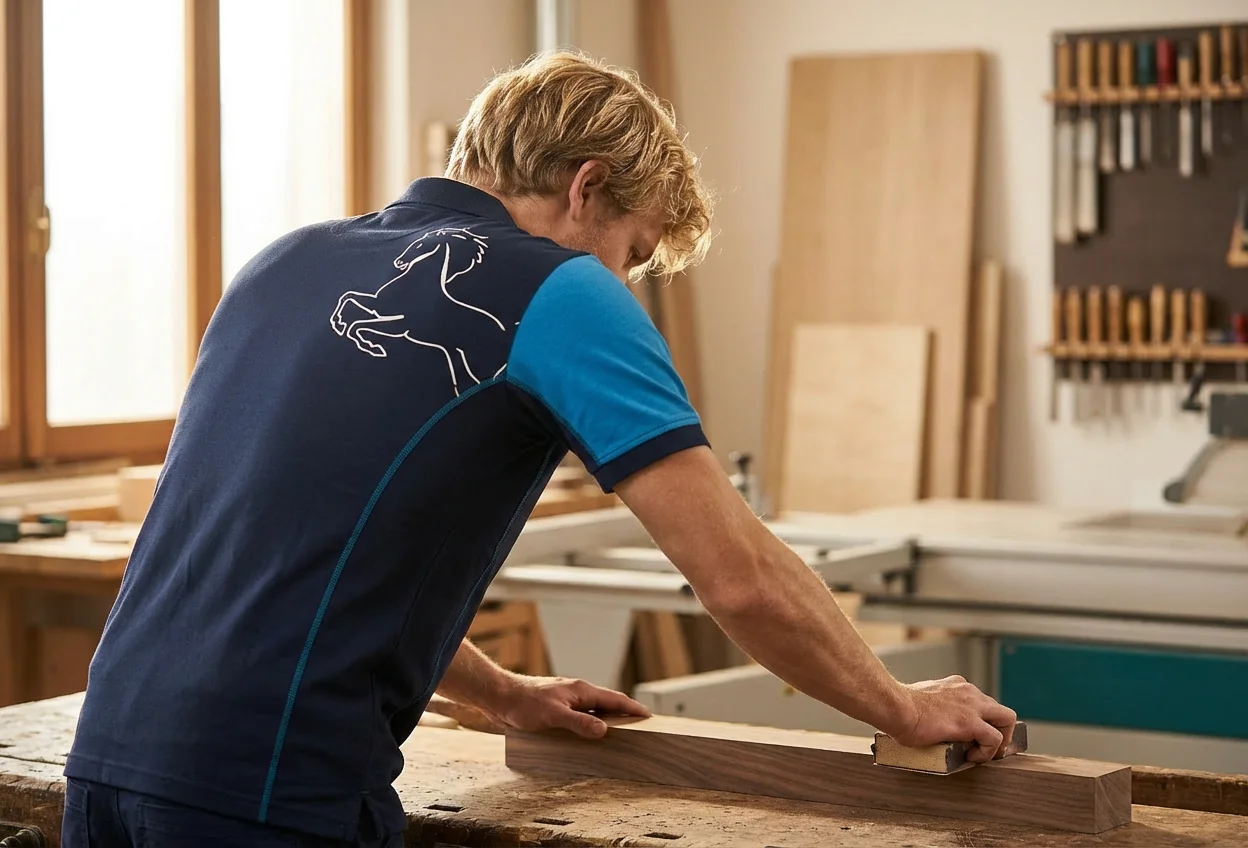
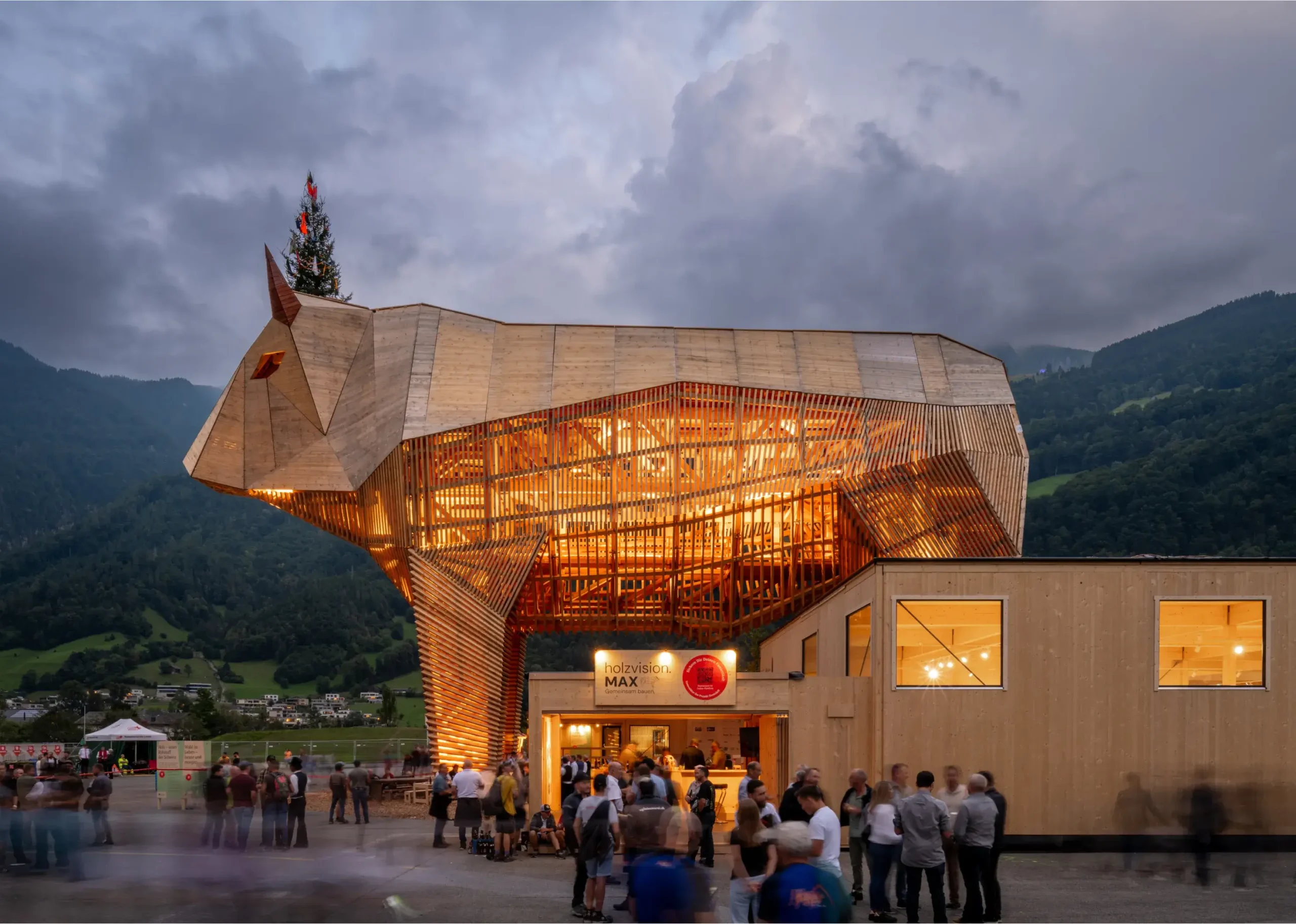
Within this grammar, wood emerges as the undisputed protagonist—not out of nostalgia, but due to its unique ability to merge technological and emotional dimensions.
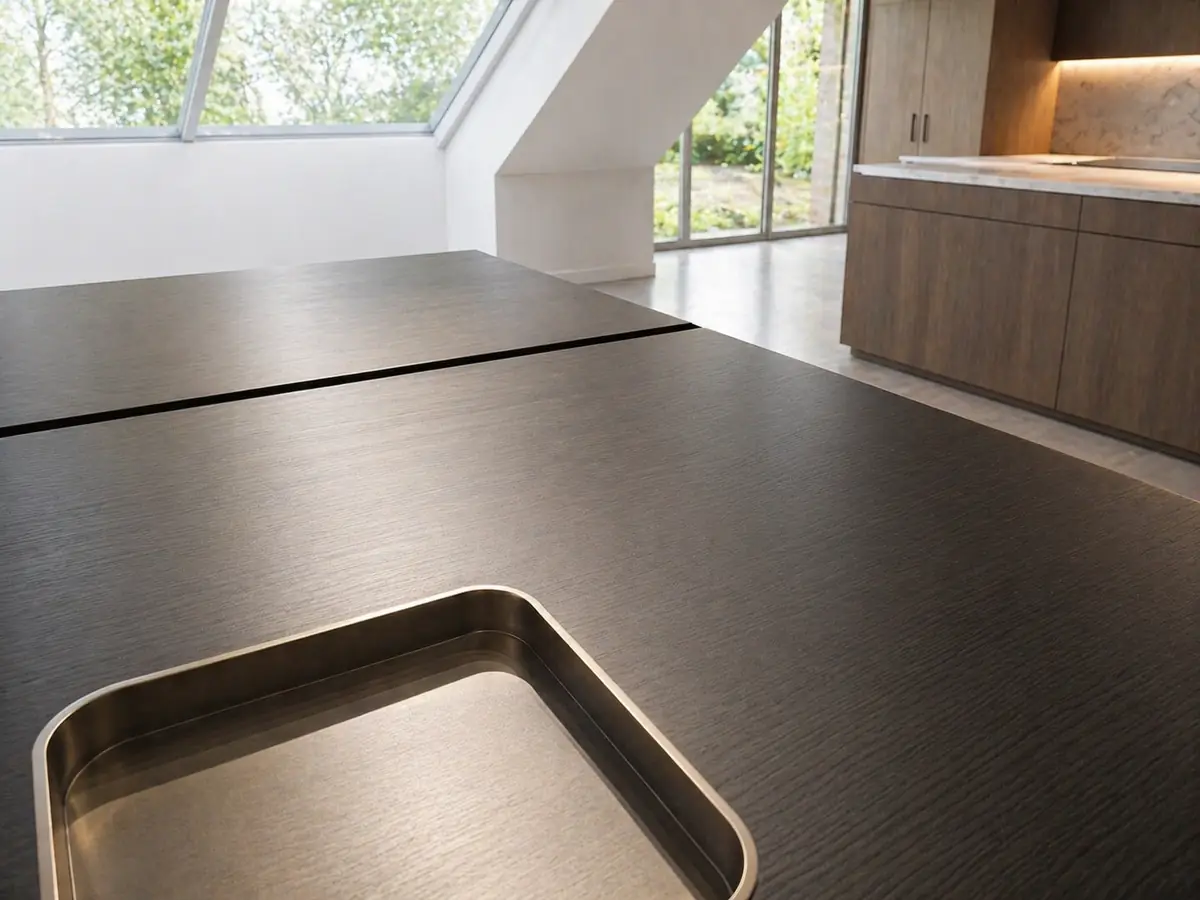
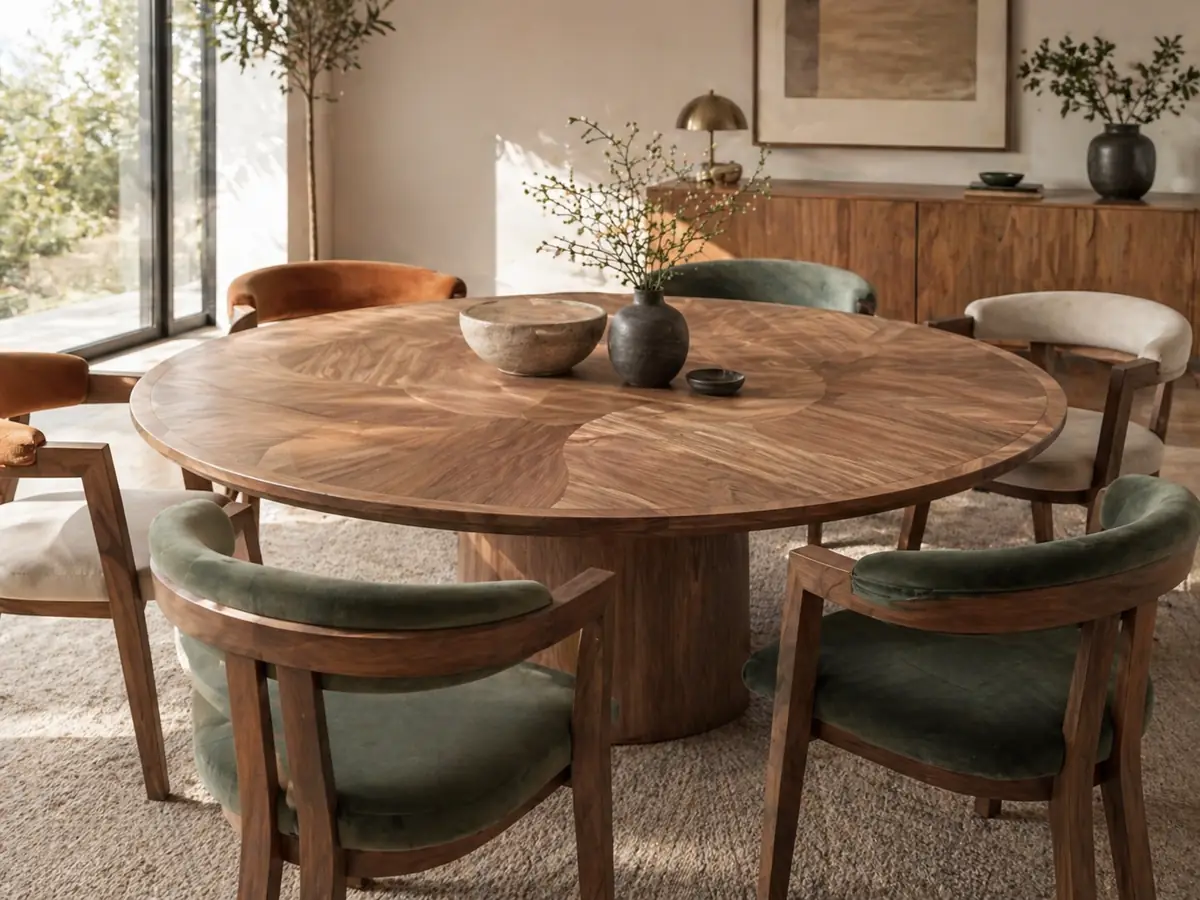
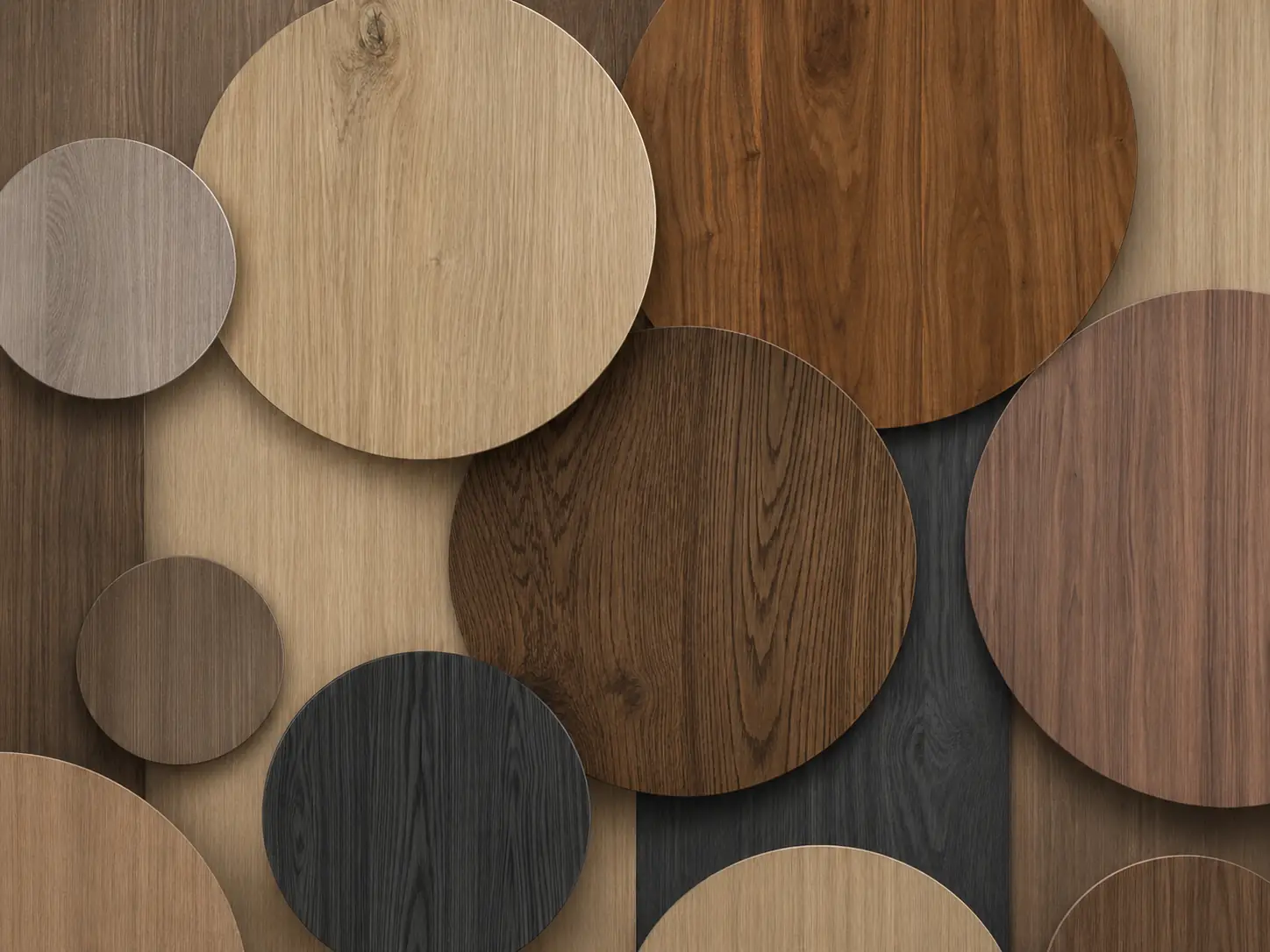
The most prominent species—oak, canaletto walnut, and American walnut—are processed by furniture brands in ways that preserve their natural character: open grain, transparent finishes, low gloss. Grain visibility is central, leading to the widespread use of ultra-matte transparent finishes. Ash is often treated with tobacco, black, and dark gray stains.
Wood serves a strategic function.
On one hand, it introduces warmth and natural continuity into increasingly technological environments. On the other, it establishes a tactile and visual connection with the user, bringing design back to a more human scale.
In essence: innovation, yes—but grounded in natural balance.
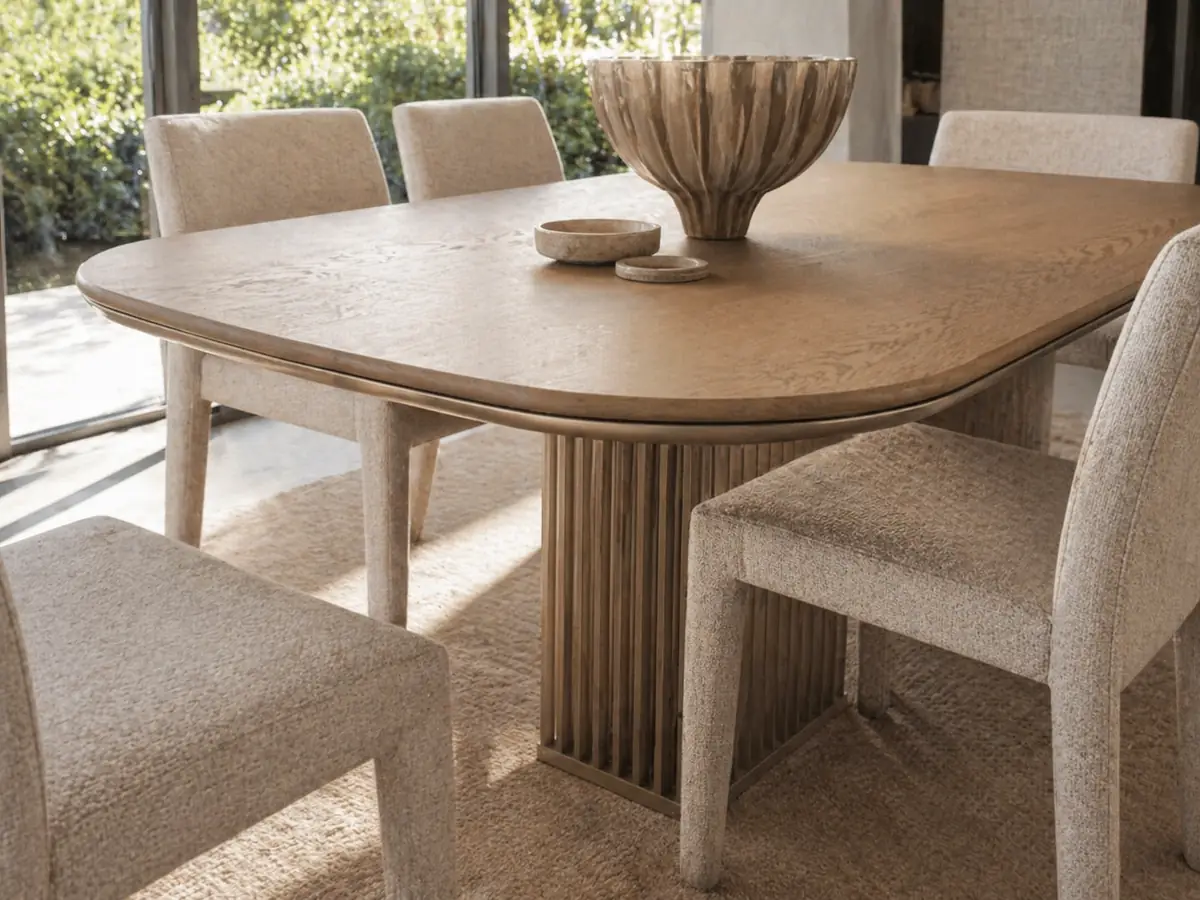
Tables often feature hybrid compositions, where wood interacts with stone and metal. Metal, in particular, frequently appears as an intermediate element—a frame or perimeter band that enhances the wood.
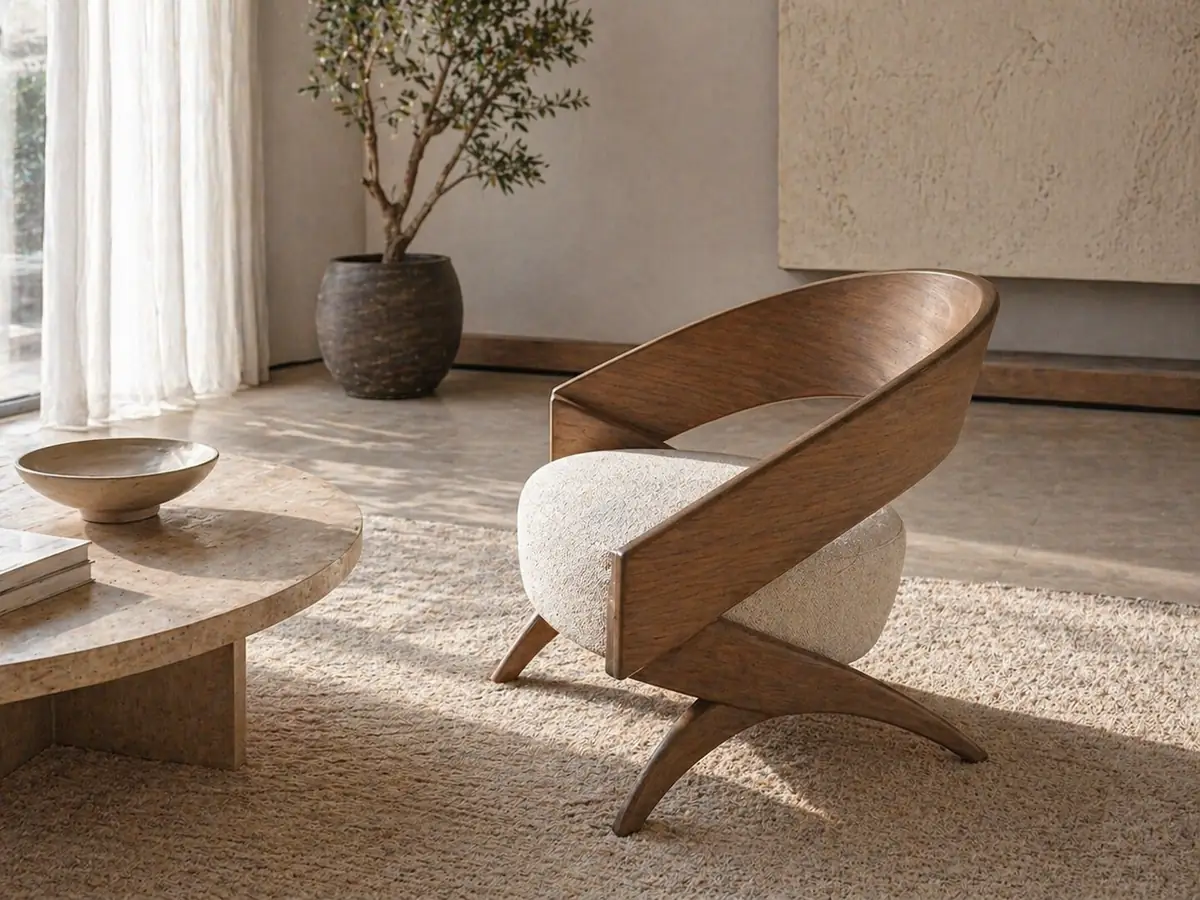
In seating, wood returns to an almost archetypal dimension, becoming the dominant and clearly expressed structural element.
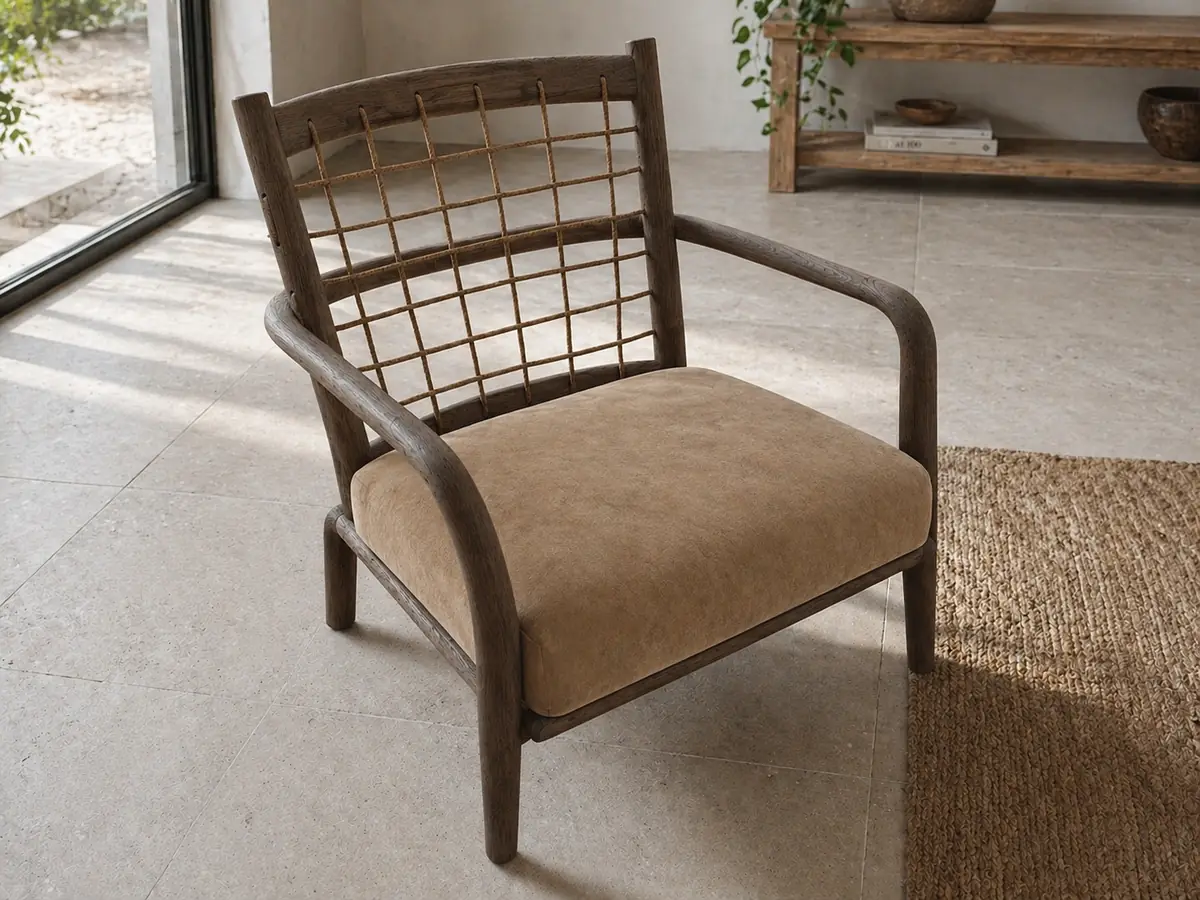
Occasionally, bamboo appears as a durable, sustainable material with bold woven patterns.
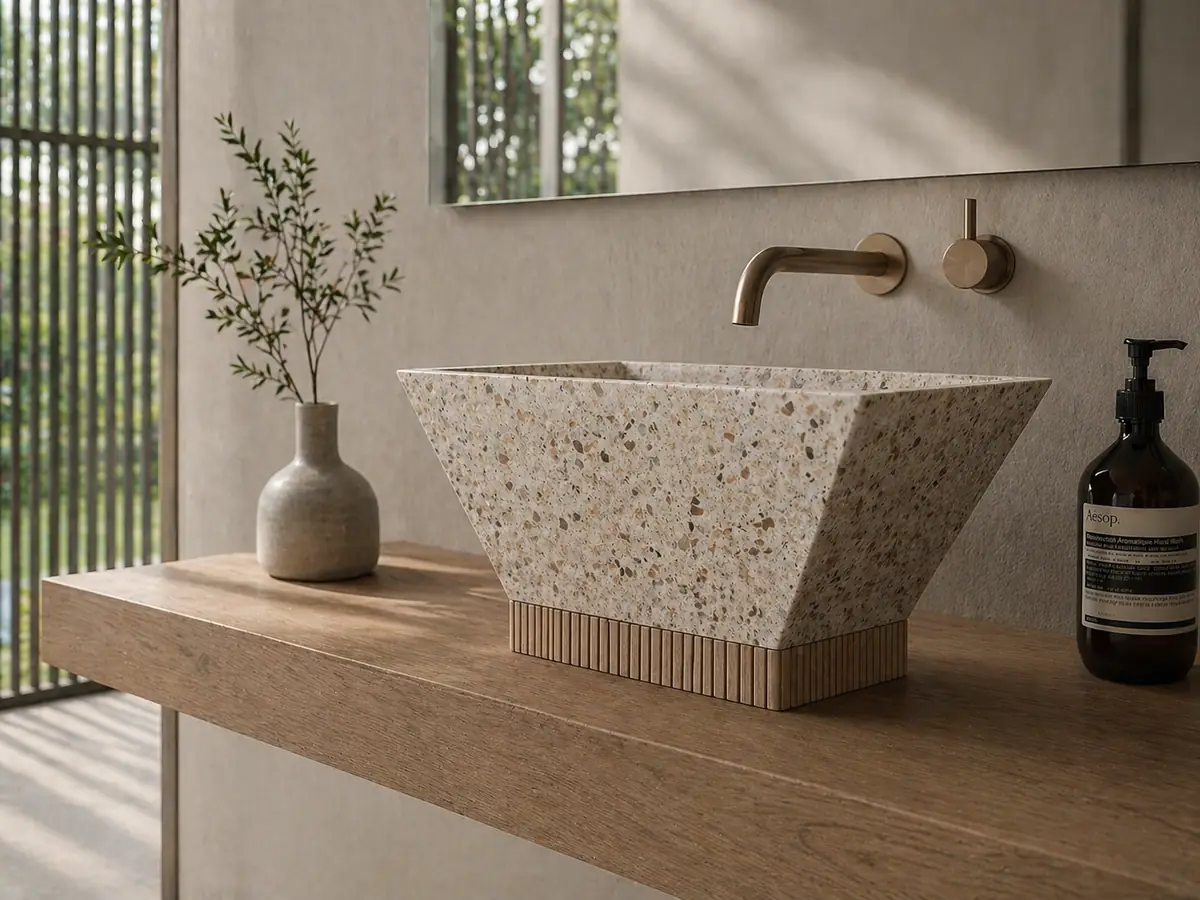
Wood is also a key player in bathrooms, bringing this space back to the center of the domestic furnishing system.
Neocraft: Craftsmanship as an Evolved System
One of the most relevant themes of Salone 2026 is the development of Neocraft: a contemporary design philosophy that merges traditional craftsmanship with advanced technology, emphasizing imperfection, sustainability, and uniqueness.
Neocraft positions itself as an ethical response to industrial standardization.
This concept permeated the entire exhibition but was especially central to the Salone Satellite, dedicated to emerging designers under 35. Here, organic—often biomorphic—forms dominated: ovoid volumes, continuous surfaces, and wooden structures with visible grain interacted with chromed or reflective inserts.
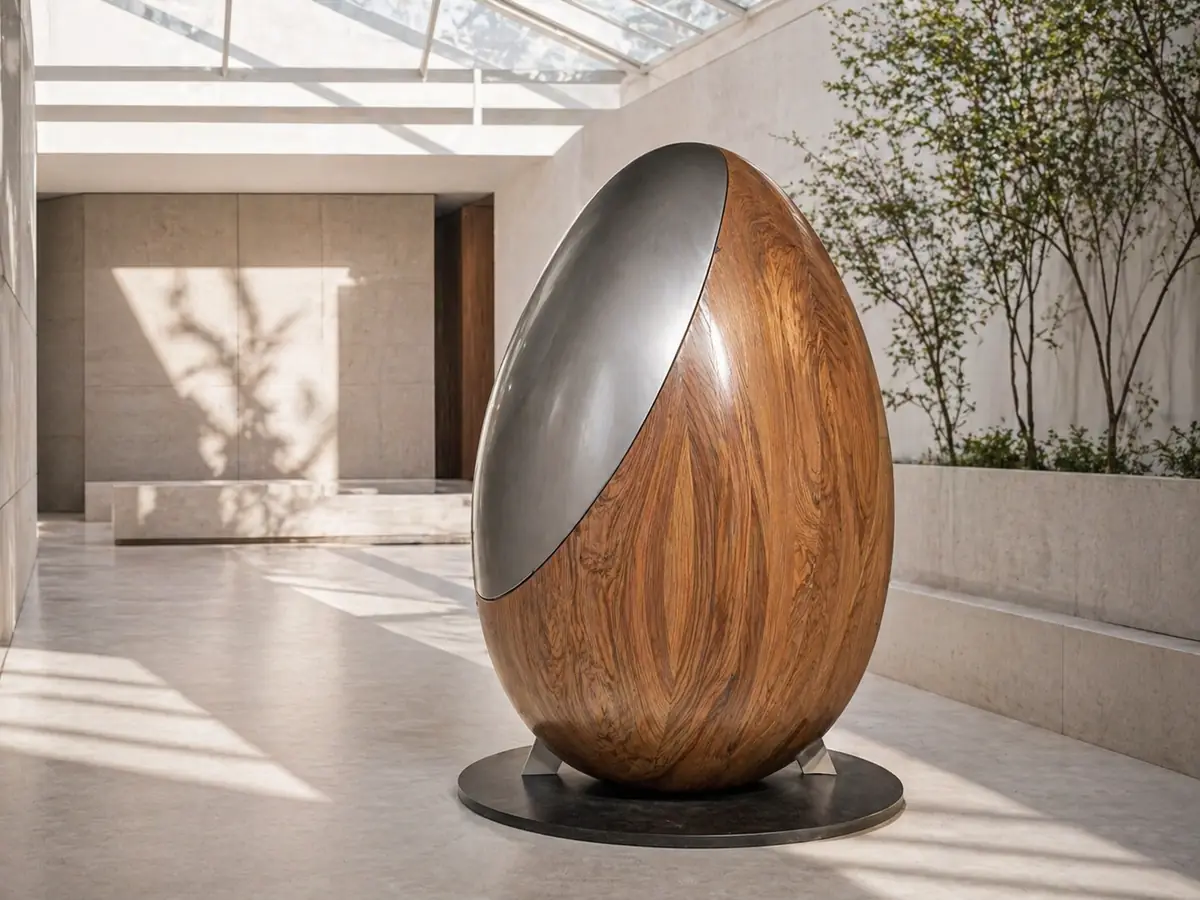
The result is not contrast, but coexistence between natural and artificial.
EuroCucina: Technology Recedes
In the kitchen sector, a clear phenomenon emerges: technology does not disappear—it becomes invisible.
Surfaces are continuous, often in natural stone. Opening systems are integrated. Home automation is present but not overtly expressed. The goal is to free up space, making it more fluid and domestic.
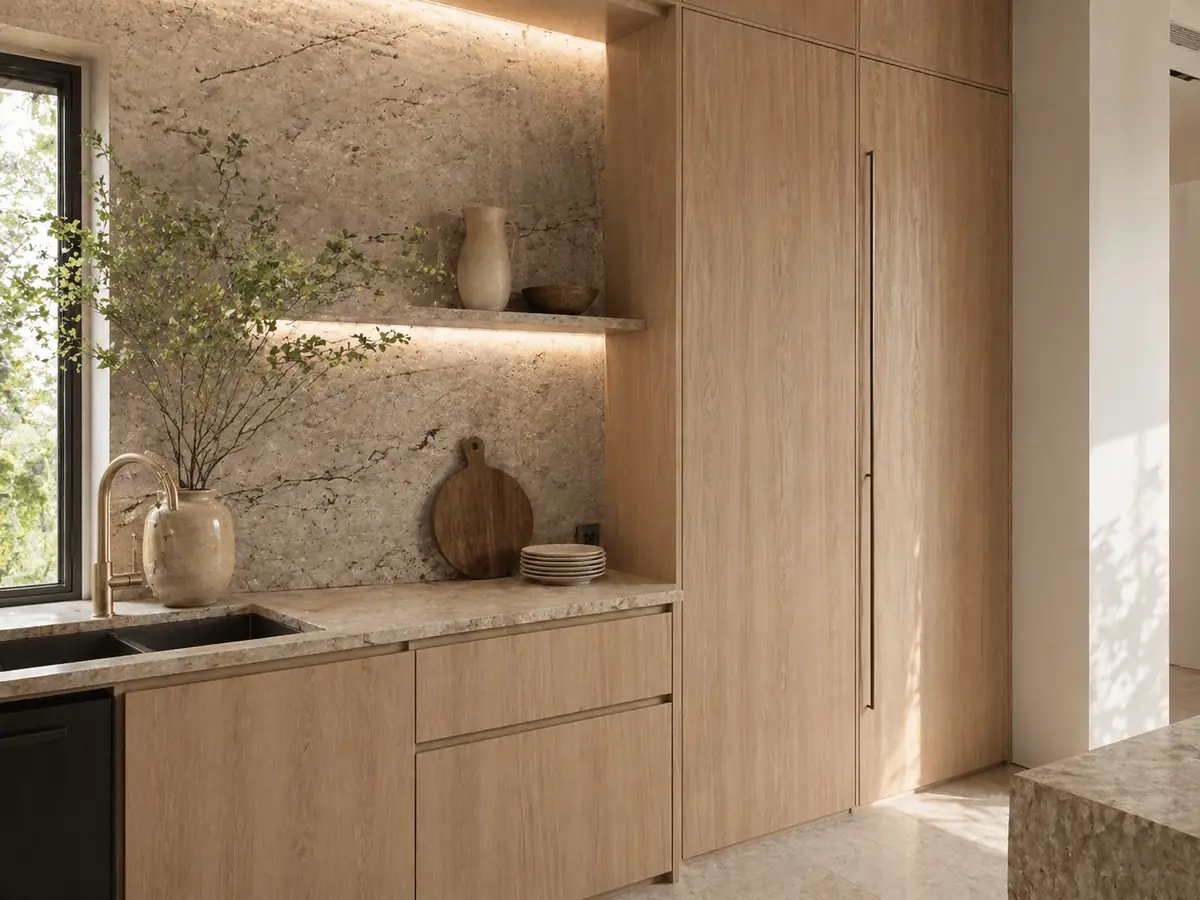
In this context, wood plays a key role. It filters technological complexity, making it more approachable, and introduces an emotional dimension into a highly technical environment.
A form of conscious minimalism takes hold, where every element has a precise function. Nothing is superfluous. Nothing is purely decorative.
Color: Balance Between Neutral Base and Bold Accents
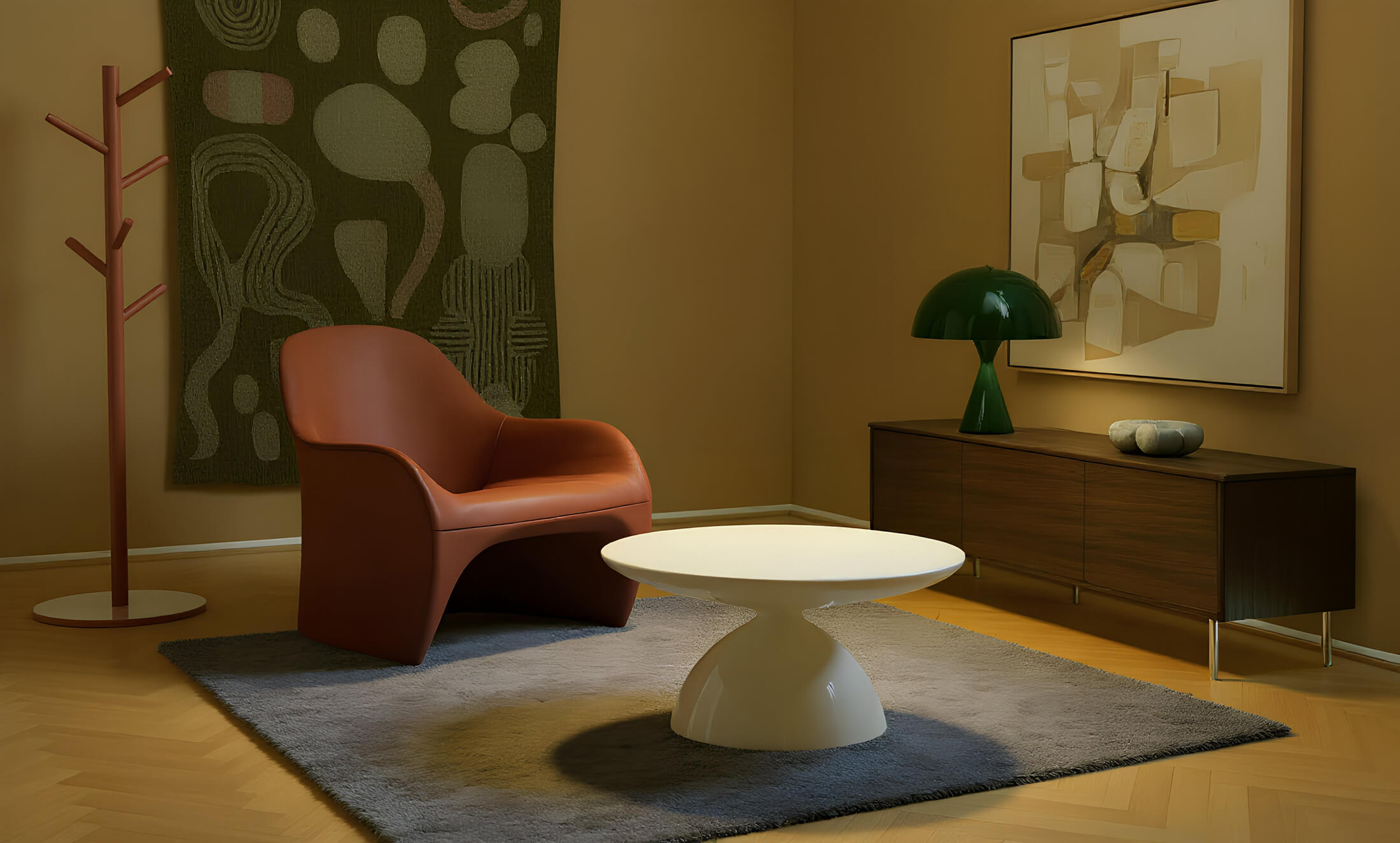
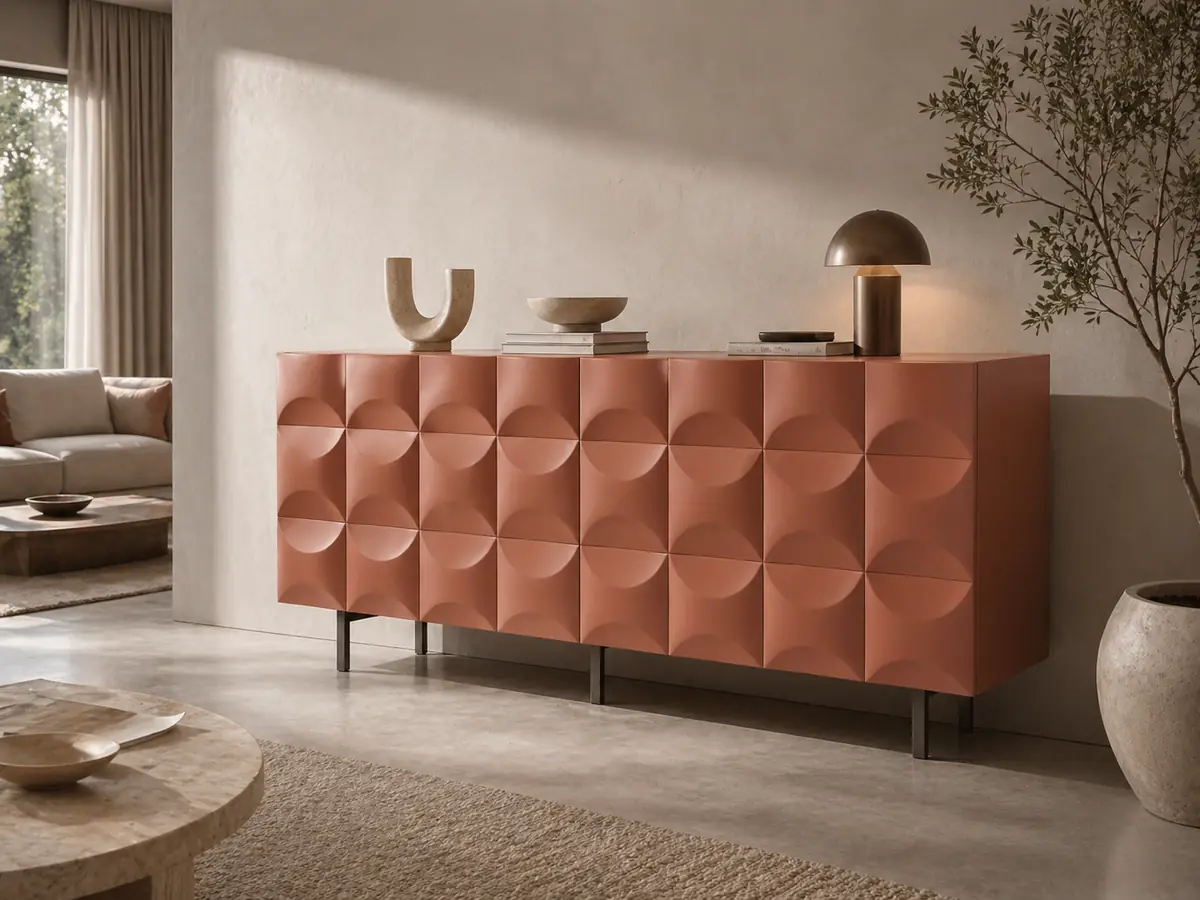
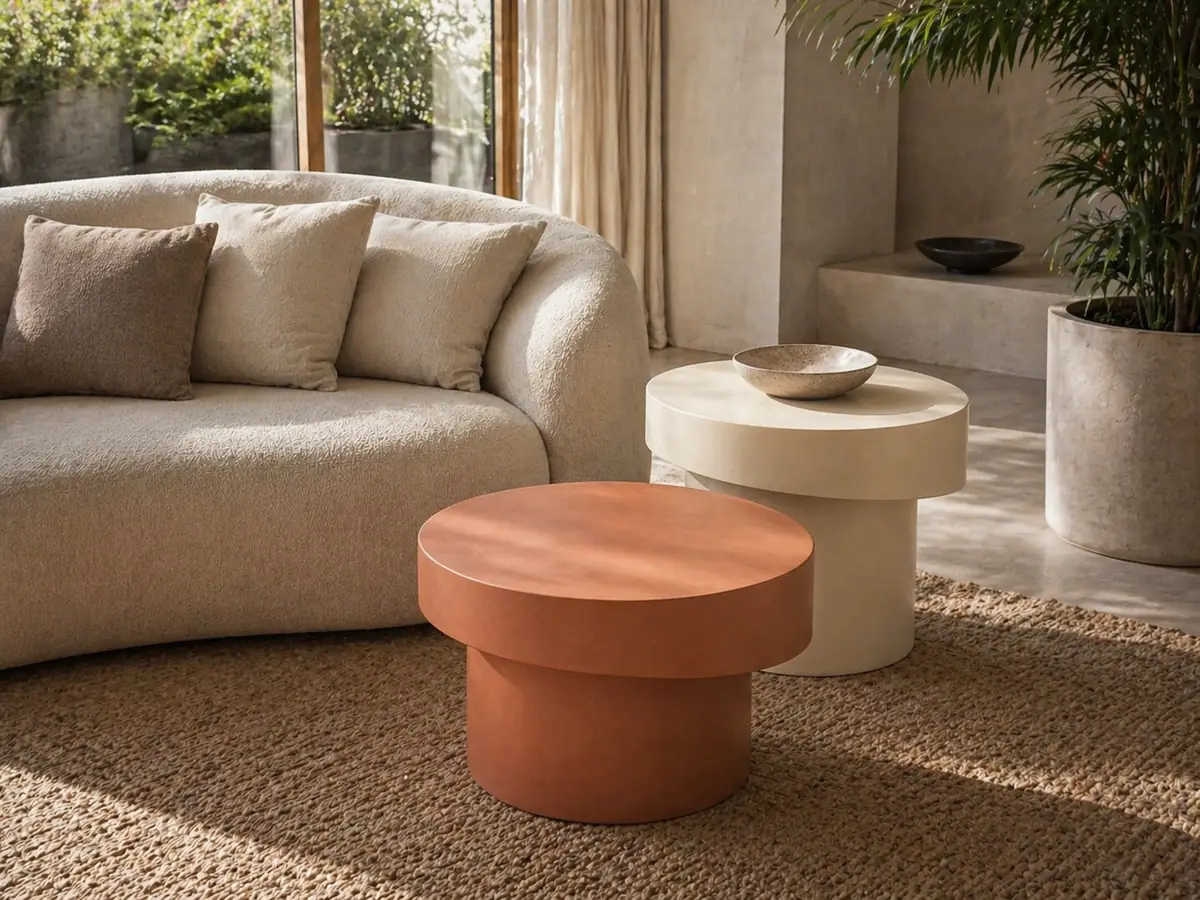
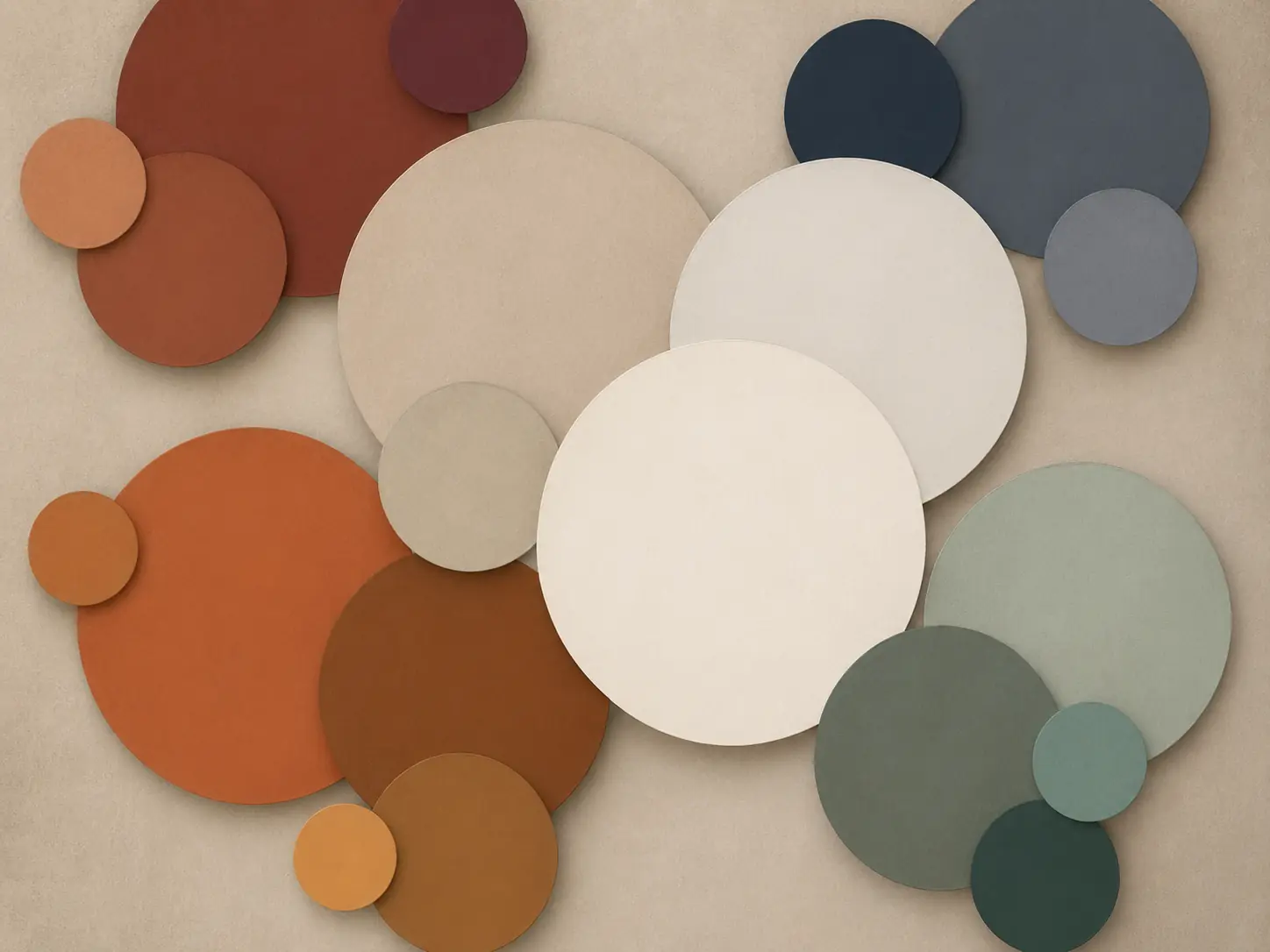
The 2026 color palette at Salone Milano is built on a foundation of warm neutrals: greige, cream, ecru, and rope tones define continuous, sophisticated environments that enhance materiality.
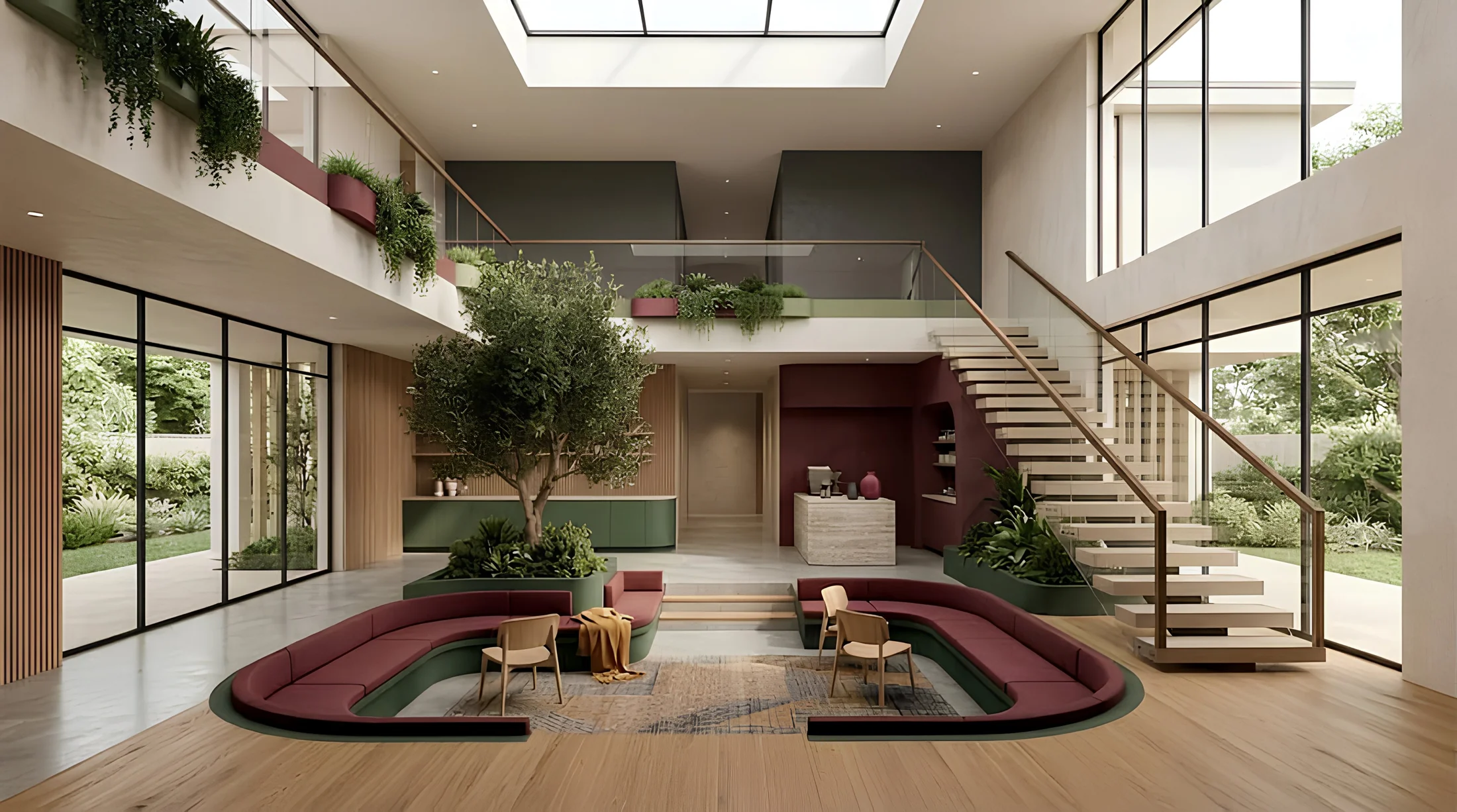
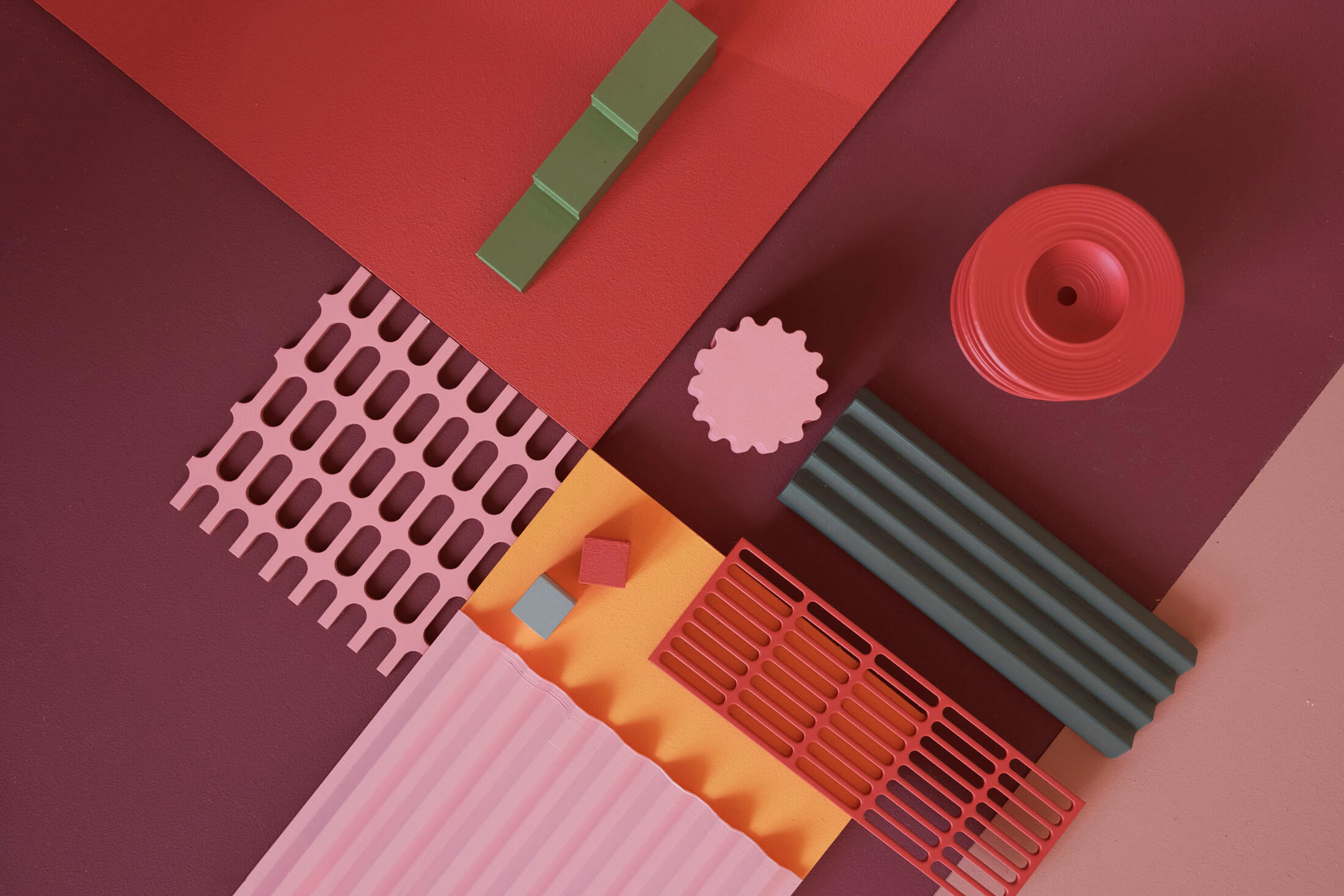
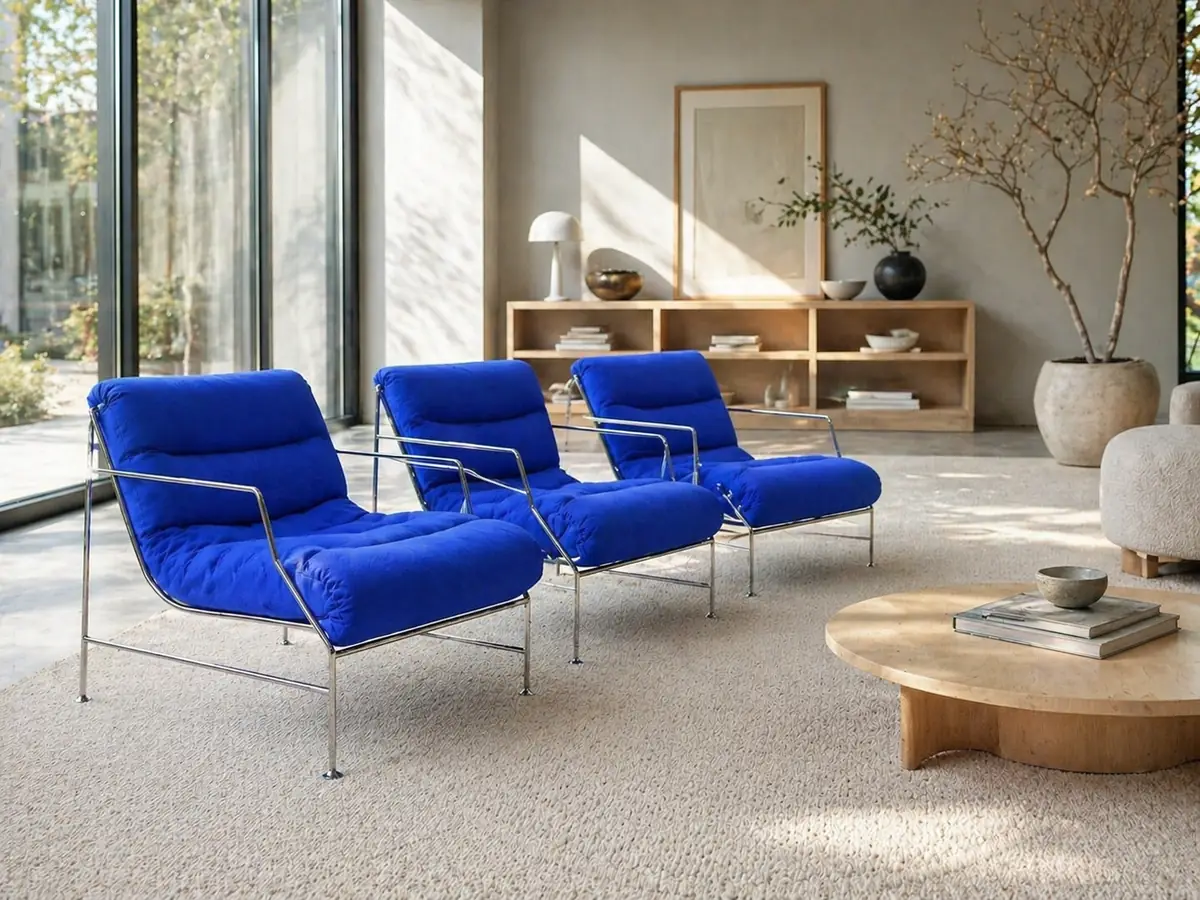
Against this backdrop, more saturated and assertive accents emerge: burnt orange, olive green, navy blue, terracotta, and luminous blue act as focal points.
Color structures space. It creates hierarchies, directs the gaze, and establishes controlled tension points.
Combinations rely on harmonious contrasts: terracotta with sage green, blue with burnt orange. The effect remains balanced, never dissonant.
From a surface perspective, this requires more sophisticated finishing strategies: opacity, chromatic depth, and gloss control become design variables—not merely technical parameters.
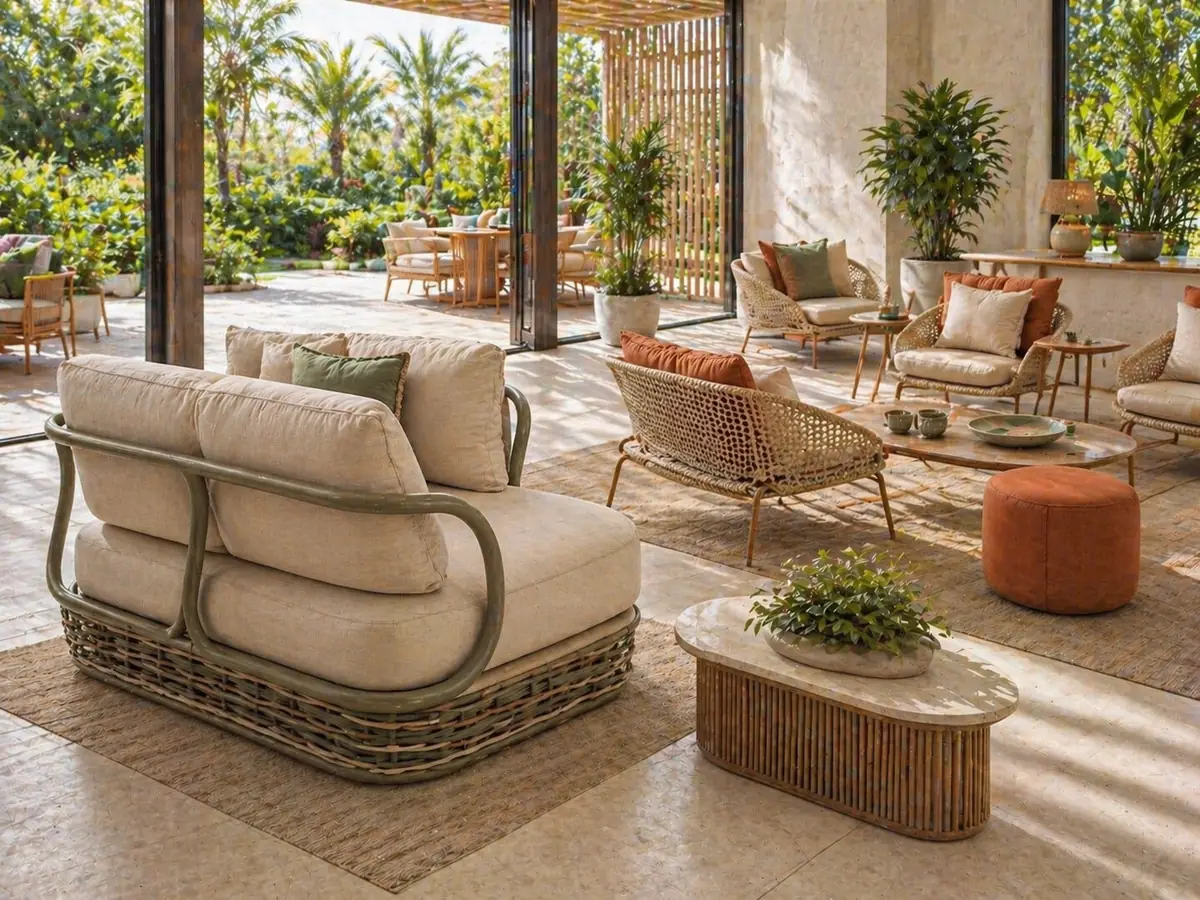
Indoor and Outdoor: A Unified System
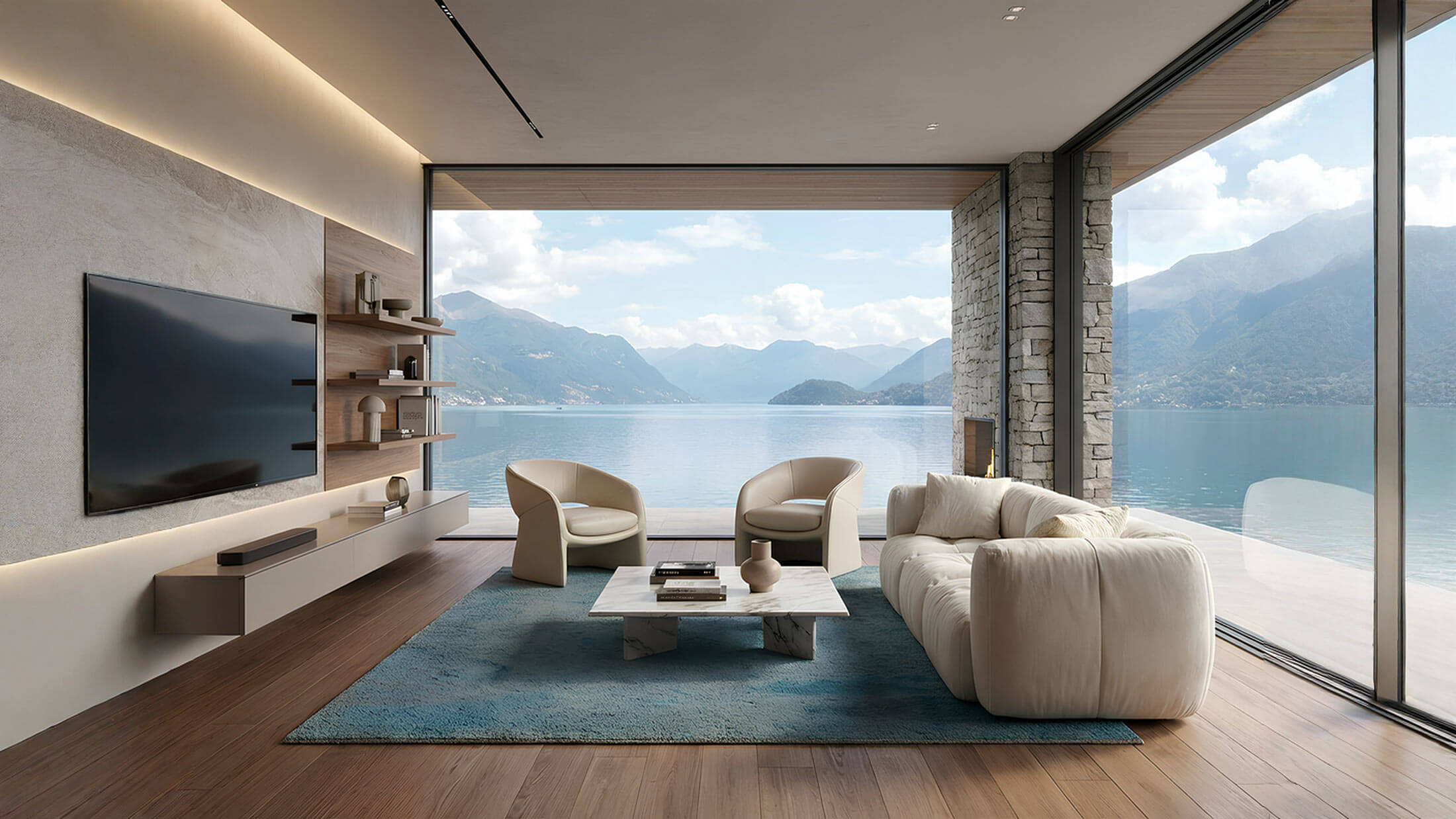
2026 marks the definitive overcoming of the indoor-outdoor divide. This is no longer a dialogue, but continuity.
Design languages are consistent, materials are compatible, and color palettes are coherent. Outdoor spaces adopt soft forms, tactile surfaces, and natural colors. Exterior environments are no longer technical zones but extensions of living spaces.
A stylistic note: marine influences and a handcrafted aesthetic are increasingly present.
The Numbers Confirm the Salone’s Role
With over 316,000 attendees and a strong international presence—steady at 68%—the 2026 edition confirms Salone Milano as a key platform connecting industry, design, and market.
In six days, a high-density relational ecosystem was activated, bringing together 1,900 brands with a global supply chain of buyers, investors, designers, and media.
Particularly noteworthy is the geographical rebalancing of demand: alongside strong European participation, there is growing dynamism from non-EU markets, including the United States, United Kingdom, Canada, Mexico, Brazil, and South Korea.
In this context, sectors such as bathroom and kitchen remain central nodes, where technological innovation and industrial quality intersect with evolving lifestyles.
Salone 2026 ultimately portrays a responsive, competitive, and increasingly interconnected industry.